
Cheesecake has cracked on me more times than I care to admit. The first one I made looked gorgeous going into the oven and came out with a fault line running right through the center, like the thing had its own earthquake. I served it anyway, covered in strawberries so nobody could tell, and my husband ate three slices without noticing. But I noticed — and I spent the next few attempts figuring out exactly where I went wrong.
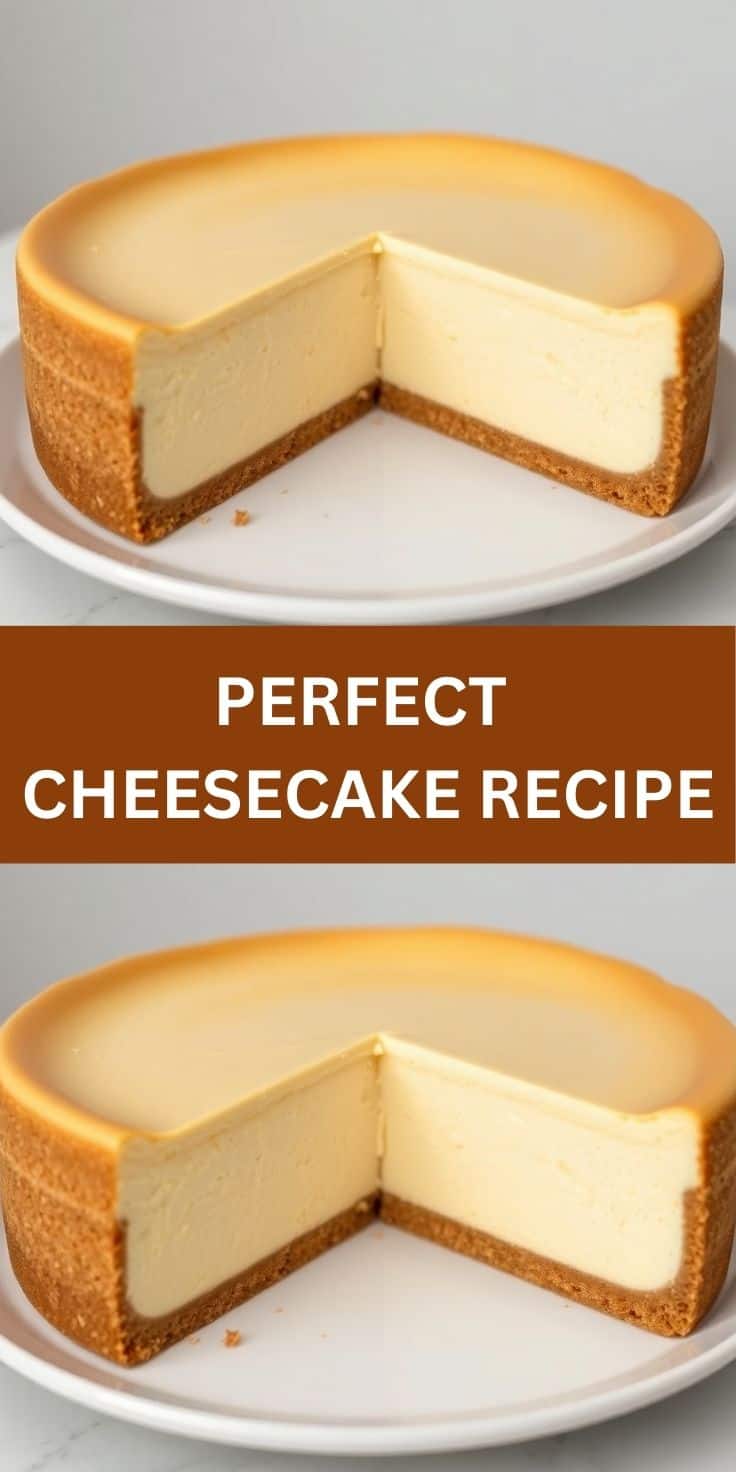
What finally fixed it for me was three things: room temperature cream cheese (non-negotiable), not overmixing after the eggs go in, and the slow oven cool-down. The low-and-slow bake plus cracking the oven door open afterward makes a bigger difference than any water bath ever did in my kitchen. I've made this version probably a dozen times now, and the surface comes out smooth every single time.
This cheesecake has become my go-to for birthdays, Eid, and any time someone says "bring something nice." My husband prefers it plain with just a handful of fresh berries on top. Zainab wants it with the full caramel drizzle situation. I usually make it the night before so the refrigerator does all the work while I sleep. If you're planning for a big dinner — like the kind you'd pair with a Beef Tenderloin Roast with Garlic and Fresh Herbs — this cheesecake is the dessert that makes people feel like you really planned ahead.
One honest expectation-setter: this is not a one-hour project. Between baking time, oven cooling, and refrigerating, you're looking at a full day from start to slice. But the actual hands-on time is maybe 25 minutes. Plan ahead and it's genuinely easy. Rush it and you'll regret it — the cheesecake needs that fridge time to fully set, or the center will be too soft when you cut it.
Why You'll Love This Recipe
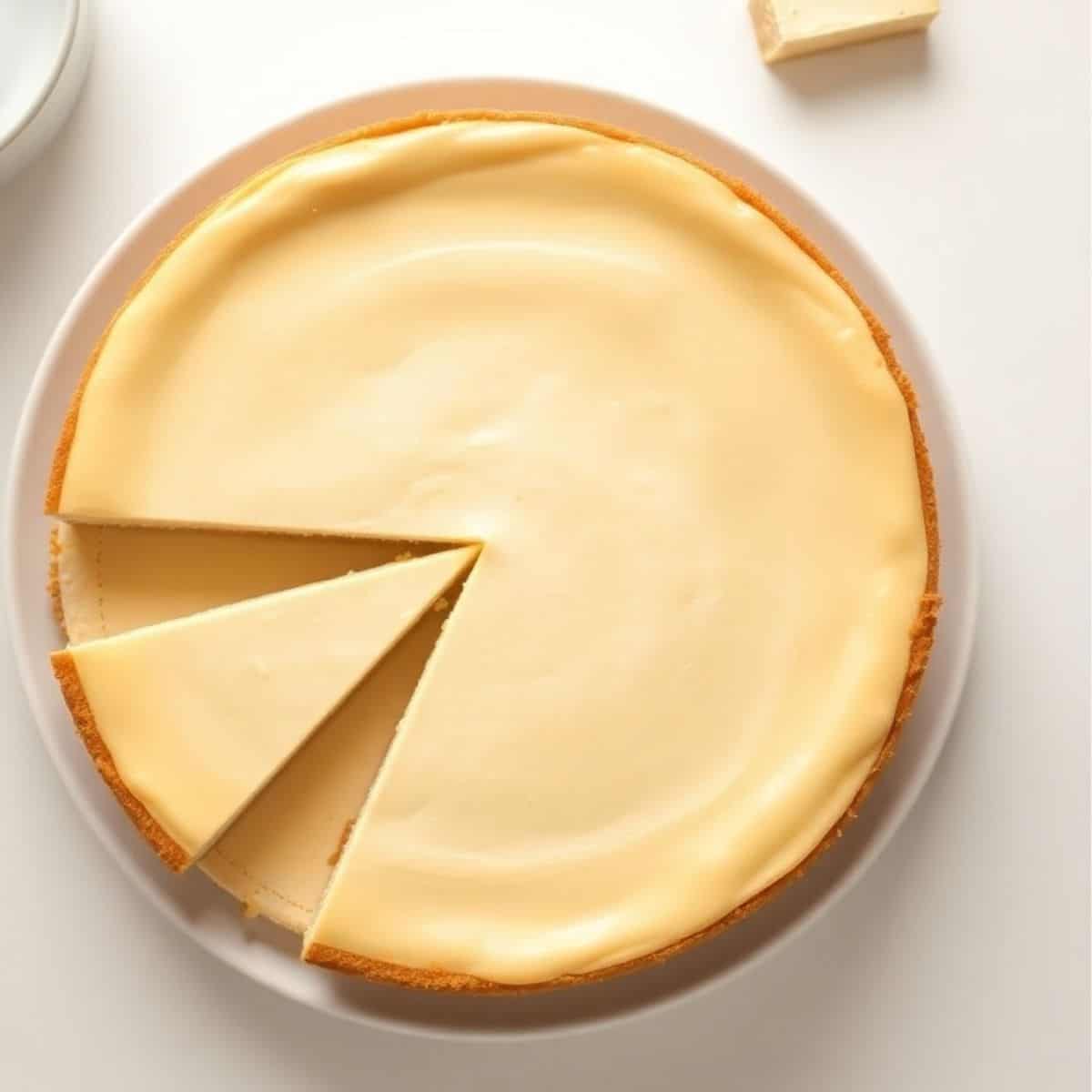
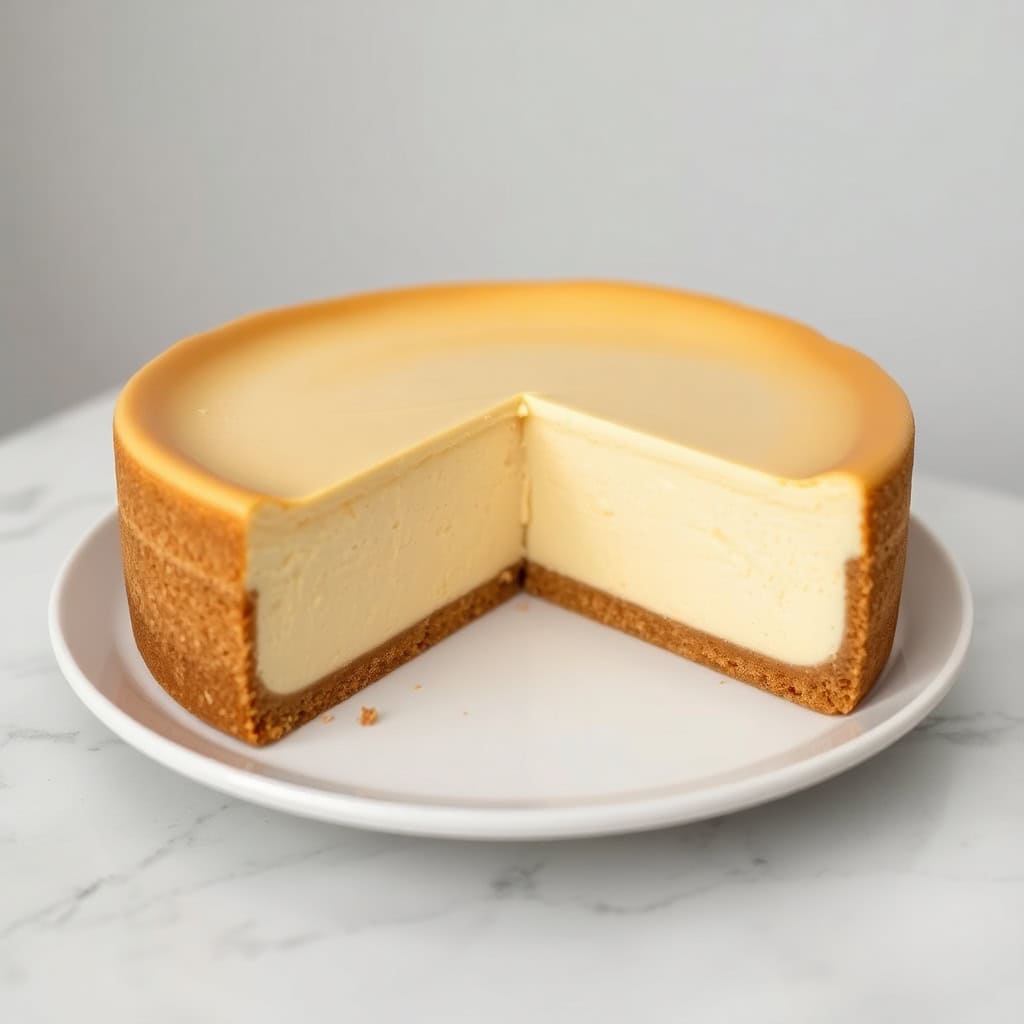
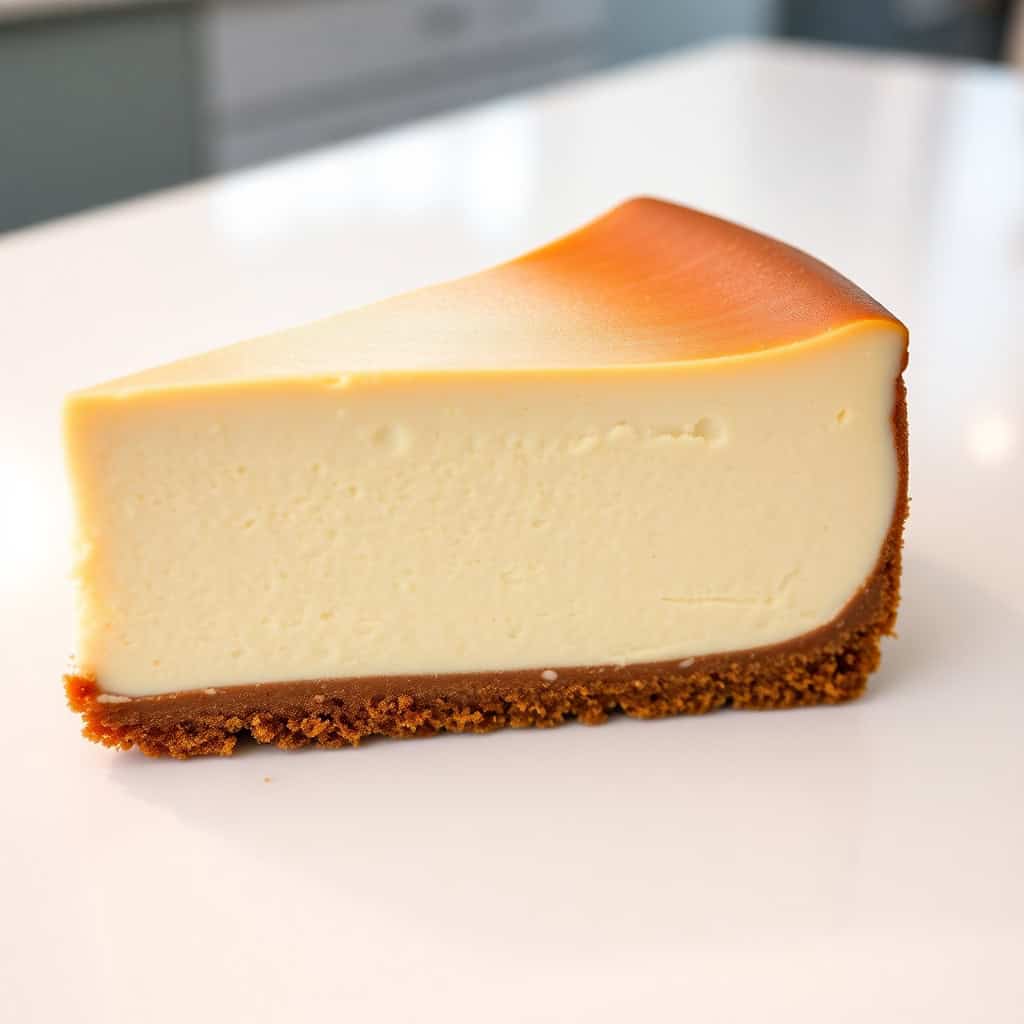
- No cracks, seriously: The technique in this recipe — low oven temperature, no opening the door mid-bake, and a slow cool-down in the oven — is what actually prevents cracks. I used to think cracks were inevitable until I stopped rushing the cooling step. Now I don't cover mine in fruit to hide anything — I just slice it clean and it holds.
- That crust is worth it: Graham cracker crust sounds simple, but when the butter-to-crumb ratio is right and you press it in firmly before baking it, it comes out with this great crunch that doesn't go soggy even after a night in the fridge. I've tried it with digestive biscuits too, for my UK readers, and it works just as well — maybe even better.
- The filling is genuinely rich: Four full blocks of cream cheese plus sour cream and heavy cream means this is a dense, substantial cheesecake. It's not light or airy — it's the kind of cheesecake where one slice actually fills you up. That's what I want from a cheesecake.
- It's almost entirely hands-off: Once the filling is made and poured, the oven does everything. I mix the filling, slide it in, and then I'm done until it's time to move it to the fridge. It makes sense to bake this on a Sunday evening and forget about it until Monday's dinner.
- Toppings are totally optional: Plain, this cheesecake is good. With fresh strawberries, it's great. With caramel drizzled over it, it disappears faster than I can get a second slice. The base recipe is solid enough to go in any direction you want.
Ingredients
For the Crust:
- 1 ½ cups graham cracker crumbs (about 10–12 full crackers, crushed — or digestive biscuits if that's what you have)
- ⅓ cup granulated sugar
- ⅓ cup unsalted butter, melted
- Pinch of salt
For the Cheesecake Filling:
- 4 packages (8 oz each) cream cheese, softened to room temperature
- 1 cup granulated sugar
- 1 teaspoon vanilla extract
- 4 large eggs, at room temperature
- 1 cup sour cream
- ¼ cup heavy cream
- 2 tablespoon all-purpose flour (optional — adds a little structure, but skip it if you want)
Directions
- Prep the pan and preheat: Preheat your oven to 325°F (163°C). Grease a 9-inch springform pan and line the bottom with parchment paper. The parchment makes releasing the cheesecake later much easier — don't skip it.
- Make the crust: In a medium bowl, stir together the graham cracker crumbs, sugar, melted butter, and a pinch of salt until everything is evenly coated. Press the mixture firmly into the bottom of the prepared pan — I use the flat bottom of a measuring cup to get it really compact. Bake for 10 minutes, then pull it out and let it cool while you make the filling.
- Beat the cream cheese: In a large bowl, beat the softened cream cheese until completely smooth, about 2 minutes. This is easier with a hand mixer, but you can do it with a wooden spoon and some patience — I've done both. Add the sugar and vanilla and beat again until creamy and combined. Don't rush this step; lumps here mean lumps in the final cheesecake.
- Add the eggs slowly: Add the eggs one at a time, mixing on low speed after each one. Scrape down the sides of the bowl as you go. The goal here is to incorporate the eggs without beating in too much air — overmixing at this stage is what causes cracking, so mix until just combined and stop.
- Finish the filling: Stir in the sour cream, heavy cream, and flour (if using) until the mixture is smooth and well combined. Pour it over the cooled crust and smooth the top with a spatula. Tap the pan a few times on the counter to release any air bubbles.
- Bake low and slow: Bake at 325°F for 1 hour 10–15 minutes. The edges should look set and slightly puffed; the center should still jiggle gently when you shake the pan — like Jell-O, not like liquid. Do not open the oven door during baking.
- Cool in the oven: Turn the oven off and crack the door open just a couple of inches. Leave the cheesecake inside for a full hour. This gradual temperature drop is the real secret to no cracks. After the hour, take it out and let it come to room temperature on the counter.
- Refrigerate: Once it's at room temperature, cover it loosely and refrigerate for at least 4 hours — overnight is better. The cheesecake needs this time to fully set before you cut it.
- Release and serve: Run a thin knife around the edge of the cheesecake before releasing the springform ring. Transfer to a serving plate. Top with whatever you like — fresh berries, whipped cream, caramel — or serve it plain.
Tips for Success
- Cold cream cheese is your enemy: I learned this the hard way. If your cream cheese is still cold from the fridge, it won't beat smooth no matter how long you try — you'll end up with small lumps throughout the filling. Pull it out at least an hour before you start, or even longer in a cold kitchen. Same goes for the eggs. Room temperature ingredients blend together in a way cold ingredients simply don't.
- Stop mixing once the eggs are in: I cannot stress this enough. After you add the eggs, mix just enough to combine — that's it. Overmixing beats air into the batter, and that air expands in the oven and then collapses as it cools, causing the top to crack. Low speed, short mixing time, and you're good.
- The water bath alternative: If you want even more insurance against cracks, wrap the outside of your springform pan tightly with two layers of aluminum foil, set it inside a larger roasting pan, and pour hot water into the roasting pan until it comes about halfway up the outside of the springform. The steam keeps the oven environment moist and gentle. I don't do this every time, but on special occasions I do.
- Press that crust firmly: A loose crust crumbles when you cut the cheesecake. Use the flat bottom of a measuring cup or a glass to press the crumbs down hard and compact them. Then bake the crust before adding the filling — those 10 minutes in the oven set it so it holds together cleanly when you slice.
- Don't skip the overnight refrigeration if you can help it: Four hours minimum, but overnight is where the cheesecake really sets into that dense, sliceable texture. I've cut into one after 4 hours and it was fine. I've cut into one after 8 hours and it was noticeably better — cleaner edges, more defined slices, richer flavor.
Variations
- Berry Topped: This is the most classic version and honestly the one I make most often. Pile fresh strawberries, raspberries, and blueberries on top right before serving. I sometimes warm a spoonful of strawberry jam with a little water to make a quick glaze that makes the berries look bakery-level beautiful. Saad always goes for this version first.
- Chocolate Swirl: Melt 4 oz of dark chocolate and let it cool slightly, then dollop it over the filling before baking and swirl it in gently with a toothpick or skewer. You can also drizzle chocolate ganache over the top after the cheesecake is fully chilled. This version disappears fastest in my house.
- Caramel: Drizzle store-bought or homemade caramel sauce generously over the chilled cheesecake right before serving. A sprinkle of flaky sea salt on top takes it somewhere really good. My husband specifically requests this version for his birthday every year.
- Pumpkin Cheesecake: Add 1 cup of canned pumpkin puree to the filling along with 1 teaspoon of cinnamon, ½ teaspoon of nutmeg, and a pinch of cloves. This is my fall version, and it smells incredible in the oven. The spice plays really well against the tang of the cream cheese.
- Oreo Crust: Replace the graham cracker crumbs with crushed Oreos (about 24 cookies, filling and all). Skip the added sugar since the Oreos are already sweet. The dark crust against the pale cheesecake filling looks dramatic on a plate, and the flavor combination is genuinely great.
Serving and Storage
Serving
Serve this cheesecake cold, straight from the fridge. Let it sit out for about 10 minutes before cutting if you want the slices to look really clean — slightly less cold means slightly softer edges. A sharp knife wiped clean between cuts makes a big difference if you're serving guests. Add toppings right before serving rather than before refrigerating, so they stay fresh and don't sink.
Storage
Leftovers keep well in the fridge for up to 5 days — cover with plastic wrap or transfer slices to an airtight container. For freezing, wrap the whole cheesecake (or individual slices) tightly in plastic wrap and then foil, and freeze for up to 1 month. Thaw overnight in the fridge. Don't freeze it with fresh fruit toppings on it — those should be added fresh after thawing.
Frequently Asked Questions
Can I make this cheesecake the day before?
Yes, and honestly I'd encourage it. Making it the day before gives the cheesecake the full overnight refrigeration it needs to set properly, and it means one less thing to stress about on the day you're serving it. Just add toppings right before you bring it to the table.
Why did my cheesecake crack even though I followed the recipe?
Usually it's one of two things: overmixing after the eggs were added, or cooling too quickly. Even opening the oven door to check on it mid-bake can cause a rapid temperature drop that leads to cracking. If you do get a crack, cover it with fruit or whipped cream — it'll still taste exactly the same.
Can I use a regular cake pan instead of a springform pan?
You can, but getting the cheesecake out in one piece is much harder. If that's all you have, line the pan well with parchment on the bottom and sides, and serve it directly from the pan in slices rather than trying to unmold it. It works in a pinch, just don't expect it to look bakery-perfect.
Can I freeze cheesecake?
Yes. Wrap it tightly in plastic wrap and then a layer of foil before freezing — it keeps well for up to a month. Thaw it overnight in the fridge, not at room temperature. The texture holds up surprisingly well. I freeze individual slices sometimes so there's always a piece ready when I want one.
Can I use low-fat cream cheese?
I'd strongly recommend against it for this recipe. Low-fat cream cheese has more water content, which makes the filling looser and more prone to cracking. The richness in this cheesecake comes from the full-fat cream cheese — it's one of those cases where the lower-fat version genuinely changes the result.
PERFECT CHEESECAKE RECIPE
Ingredients
For the crust:
- 1 ½ cups graham cracker crumbs
- ⅓ cup granulated sugar
- ⅓ cup unsalted butter melted
For the filling:
- 4 packages 8 oz each cream cheese, softened
- 1 cup granulated sugar
- 1 teaspoon vanilla extract
- 4 large eggs
- 1 cup sour cream
- ¼ cup heavy cream
- 2 tablespoon all-purpose flour optional, for added structure
Instructions
- Preheat the oven to 325°F (163°C). Grease a 9-inch springform pan and line the bottom with parchment paper.
- In a medium bowl, combine the graham cracker crumbs, sugar, and melted butter. Press the mixture firmly into the bottom of the prepared pan to form the crust. Bake for 10 minutes, then remove from the oven and let cool while you prepare the filling.
- In a large mixing bowl, beat the softened cream cheese until smooth, about 2 minutes. Add sugar and vanilla extract, and continue to beat until creamy and well combined.
- Add eggs one at a time, mixing on low speed after each addition. Scrape down the sides of the bowl as needed.
- Stir in sour cream, heavy cream, and flour (if using) until smooth and combined.
- Pour the cheesecake filling into the cooled crust and smooth the top.
- Bake for 1 hour 10-15 minutes, or until the edges are set but the center is slightly jiggly.
- Turn off the oven, crack the oven door slightly, and let the cheesecake cool in the oven for 1 hour.
- After an hour, remove the cheesecake from the oven and allow it to cool to room temperature. Then, refrigerate for at least 4 hours, or overnight, to set completely.
- Before serving, run a knife around the edges of the cheesecake to loosen it from the pan. Release the springform pan and transfer the cheesecake to a serving platter.
- Optionally, top with fresh berries, whipped cream, or your favorite fruit topping before serving.
Notes
- Make sure the cream cheese is softened to room temperature before mixing to avoid lumps.
- If you don’t have a springform pan, you can use a regular 9-inch round pan, but it will be harder to remove the cheesecake.
- You can substitute the graham cracker crust with any other cookie crust (e.g., Oreo, digestive biscuits).
- For extra creaminess, you can replace the heavy cream with full-fat cream cheese.
- You can freeze the cheesecake (before adding any toppings) for up to 1 month. Just wrap it tightly and thaw in the fridge overnight before serving.
- To prevent cracking, avoid opening the oven door while the cheesecake is baking. The slow cooling process in the oven helps minimize cracks.
- You can also add flavored extracts, like almond or lemon, to the filling for a unique twist.
Cheesecake is one of those desserts that intimidated me for years before I finally worked out the technique. Now that I have, I make it more often than I probably should. It's the dessert I reach for when I want something that looks like I put in serious effort — even though once you've done it a couple of times, the actual work is pretty minimal.
If you're planning a big dinner around this and need something savory to anchor the meal beforehand, my One-Pan Creamy Parmesan Chicken and Rice has become a regular pairing in my house — it comes together while the cheesecake is chilling in the fridge, and the whole menu feels genuinely put-together without a huge amount of effort.
The thing I want you to take away from this recipe is that the cracks and wobbles I got early on weren't about skill — they were about patience. The cheesecake needs time. Low temperature, slow cooling, a full night in the fridge. Once I stopped rushing it, everything clicked. This is a recipe I'll keep making for the rest of my life, probably. 🍰✨
If you liked this, here are a few more recipes from my kitchen worth trying: