
I didn't grow up eating chicken and dumplings. It's not a Pakistani dish — we had our own versions of chicken in broth, but not this one. The first time I made it, I was following a recipe from a random website and I overcooked the dumplings by about five minutes because I kept lifting the lid to check on them. They came out dense and gummy. My husband ate them anyway, which I appreciated, but I knew I had to figure out what I was doing wrong.
What I eventually figured out is that this dish comes down to two things: a broth that actually tastes like something, and dumplings that you do not overthink. The batter is barely mixed — you stop when you stop seeing dry flour. That's it. No kneading, no rolling, no fuss. You drop spoonfuls into simmering broth, put the lid on, and you leave it alone. The steam does the work. I add heavy cream toward the end, which thickens everything up and makes the broth feel substantial without being heavy.
This has become one of those dinners I make on cold evenings when I want something that requires almost no mental energy. My husband asks for it at least once a month from October through March. Zainab will eat around the vegetables if I slice the carrots too thick, so I've learned to slice them thin. Saad eats the dumplings first and then drinks the broth. Everyone in this house has strong opinions about this pot of soup, and I find that flattering.
One practical thing to know before you start: the dumplings do not stay fluffy once they sit in the broth for a long time. If you're serving this for a crowd or making it ahead, keep the soup base separate and drop the dumplings in just before you eat. I have a note on this in the storage section below. Also, if you like one-pot soups that warm you up from the inside, my French Lentil and Mushroom Soup is another one I come back to all winter.
Why You'll Love This Recipe
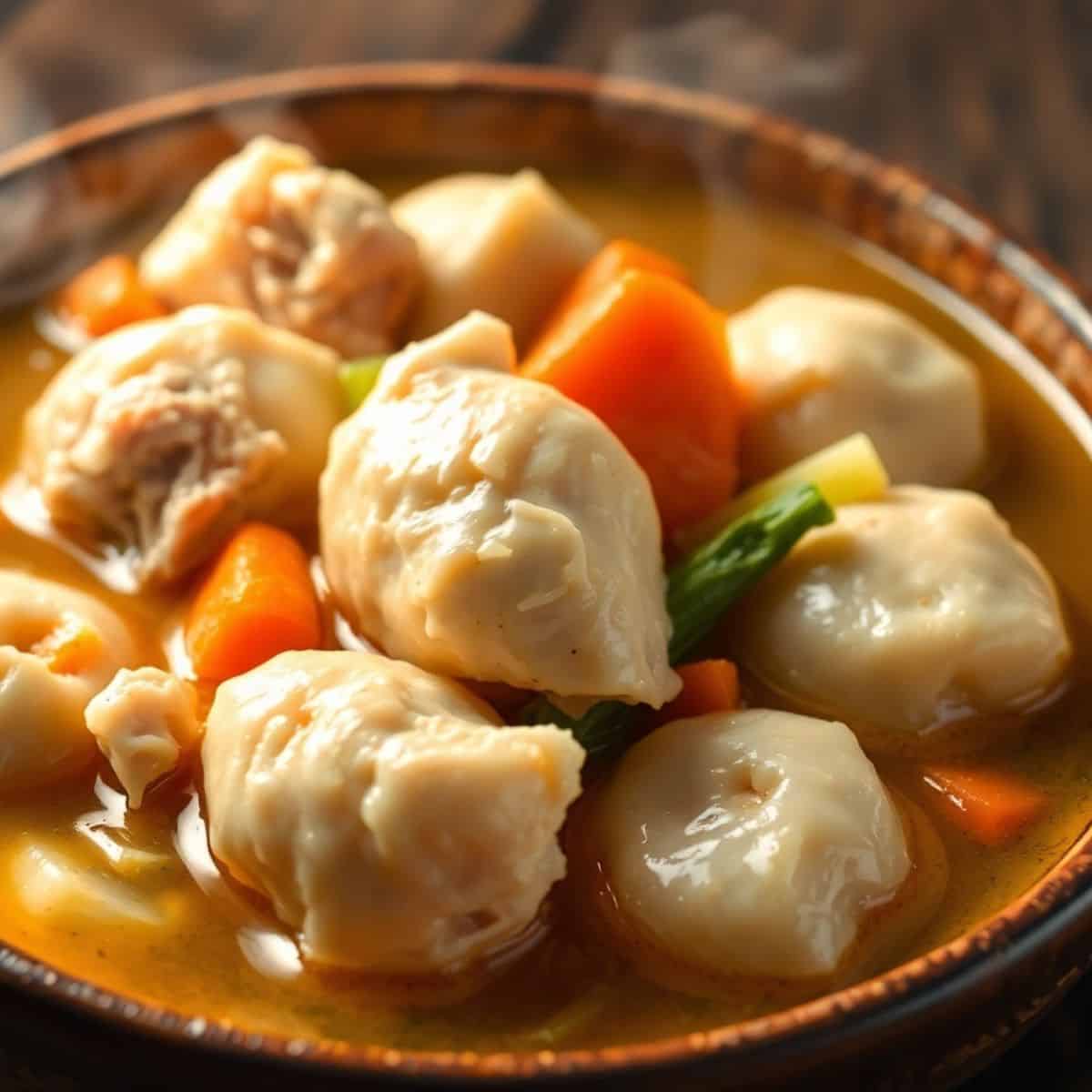
- One pot, start to finish: Everything cooks in the same Dutch oven — the broth, the chicken, and the dumplings. I'm not washing multiple pans on a weeknight, and I shouldn't have to. The whole process takes about 45 minutes of mostly hands-off time, and the cleanup is genuinely minimal.
- The dumplings are actually fluffy: I've made this with box biscuit mixes and I've made it from scratch, and scratch wins every time. The key is the baking powder-to-flour ratio and not overmixing. When you do it right, the dumplings puff up inside the pot and have this soft, pillowy texture that soaks up the broth without falling apart.
- The broth is genuinely flavorful: A lot of chicken and dumpling recipes end up tasting thin and watery. The difference here is that you sauté the vegetables first to build flavor, and you finish with heavy cream. Those two steps change everything. The cream doesn't make it heavy — it just rounds the broth out and gives it body.
- Flexible ingredients: Chicken thighs or breasts both work. Frozen peas or no peas. You can throw in potatoes or green beans if you have them. The base recipe is forgiving enough that you can work with whatever is in your fridge, and the result will still taste like you meant to do it that way.
- It reheats well (with one caveat): The soup base reheats beautifully the next day and honestly tastes better after the flavors have had time to sit. The dumplings do get softer in storage, which I actually don't mind. If you want them fluffy on day two, drop fresh ones into the reheated soup — takes five minutes.
Ingredients
- 2 tablespoons olive oil
- 1 medium onion, chopped
- 3 cloves garlic, minced
- 3 medium carrots, sliced thin
- 2 celery stalks, sliced
- 4 cups chicken broth
- 2 cups water
- 1 teaspoon dried thyme
- 1 teaspoon dried rosemary
- 1 bay leaf
- 1½ pounds boneless, skinless chicken thighs or breasts, cut into bite-sized pieces
- Salt and pepper to taste
- 1 cup frozen peas
- ½ cup heavy cream (or half-and-half in a pinch)
- For the dumplings:
- 2 cups all-purpose flour
- 1 tablespoon baking powder
- 1 teaspoon salt
- 1 cup whole milk
- ¼ cup unsalted butter, melted
- Fresh parsley, chopped, for garnish
Directions
- Sauté the vegetables: Heat 2 tablespoons of olive oil in a large pot or Dutch oven over medium heat. Add the chopped onion, garlic, carrots, and celery. Cook for 5–7 minutes, stirring occasionally, until the vegetables have softened. This step matters — it builds the flavor base for the whole broth, so don't skip it or rush it.
- Build the broth: Pour in the chicken broth and water. Add the thyme, rosemary, and bay leaf. Bring everything to a boil, then add the chicken pieces. Reduce the heat to a gentle simmer, cover, and cook for about 20 minutes until the chicken is cooked through. Season with salt and pepper — I taste it at this point and usually add more salt than I expect to need.
- Finish the soup base: Stir in the frozen peas and heavy cream. Let it simmer for another 5 minutes. Remove the bay leaf. Your broth should look creamy and smell wonderful at this point. Keep it at a low simmer while you make the dumplings.
- Mix the dumpling batter: In a medium bowl, whisk together the flour, baking powder, and salt. Add the milk and melted butter and stir until just combined — maybe 10–15 stirs. Stop when you no longer see dry flour. The batter will look lumpy and that's exactly what you want. Overmixed batter makes rubbery dumplings, which is what I made the first three times I attempted this recipe.
- Drop the dumplings: Using a spoon, drop heaped spoonfuls of batter onto the surface of the simmering soup, spacing them out as much as you can. They will puff up and expand, so they don't need to be beautiful — just roughly even in size so they cook at the same rate.
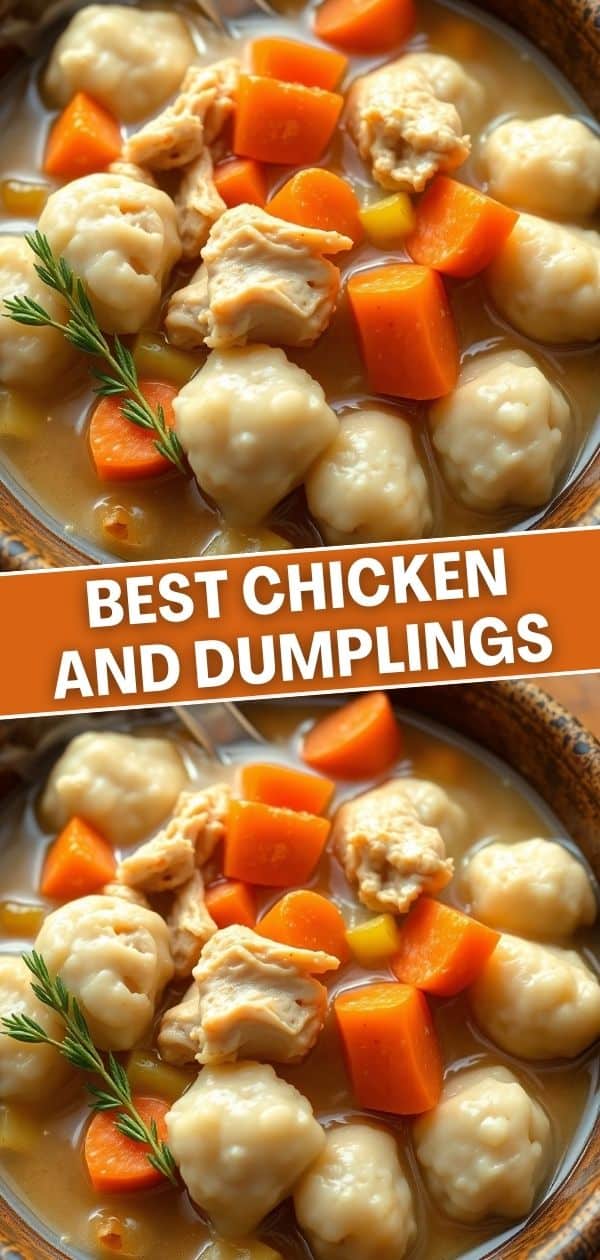
- Cook with the lid on: Cover the pot and cook for 15 minutes without lifting the lid. I set a timer and walk away. The steam inside the pot is what cooks the dumplings from the top — if you lift the lid, the steam escapes and they won't puff properly. After 15 minutes, check one by cutting it open: the inside should be fully cooked through with no raw dough in the center.
- Serve: Ladle the soup and dumplings into bowls and scatter fresh parsley over the top. Serve immediately while the dumplings are still at their best.

Tips for Success
- Do not overmix the dumpling batter: I cannot stress this enough because it's exactly what I got wrong the first several times. Once you add the wet ingredients to the dry, stir gently and stop early. Lumps are fine. Overmixing develops the gluten in the flour, and gluten makes dumplings tough instead of tender. Ten to fifteen stirs is genuinely enough.
- Keep the soup at a steady simmer when you drop the dumplings: If the soup is boiling hard, the dumplings will break apart. If it's barely warm, they won't cook properly. You want medium-low heat — small bubbles breaking the surface. I adjust the heat right before I drop the batter in, and I check it once after I put the lid on to make sure it's stayed at the right level.
- Slice the carrots thin: I learned this from Zainab's complaints. Thick carrot slices don't soften fully in the cooking time and end up slightly crunchy in a way that disrupts the texture of the whole bowl. Thin half-moons, about ¼ inch thick, cook through properly and disappear into the soup in the best way.
- Taste the broth before adding the dumplings: The dumplings absorb a lot of the broth's flavor as they cook, which means if your broth is under-seasoned going in, the whole bowl will taste flat. Taste it after you add the cream and adjust — more salt, more black pepper, whatever it needs. This is the moment to fix it.
- Use chicken thighs if you can: Breasts work fine and I've used them plenty of times, but thighs stay more tender during the simmer and have more flavor. If you're using breasts, cut them into larger chunks so they don't dry out as quickly. Either way, keep the simmer gentle — aggressive boiling will toughen any chicken.
Variations
- Rotisserie chicken shortcut: On nights when I don't have 45 minutes, I skip cooking the chicken from scratch and use a store-bought rotisserie chicken instead. Shred the meat and add it to the broth after the vegetables have sautéed and the broth has been added. This cuts the total time down to about 25 minutes, and honestly nobody at my table notices the difference.
- Herb dumplings: Mix 2 tablespoons of finely chopped fresh parsley or chives directly into the dumpling batter before dropping. The herbs stay bright green inside the dumplings and add a freshness that works nicely against the rich broth. My husband prefers this version — he says the plain dumplings taste too plain without the herbs.
- Extra vegetables: I've added diced potatoes, frozen corn, and green beans to this at various points depending on what I have. Add potatoes when you add the broth so they have enough time to cook through. Corn and green beans can go in with the peas at the end. Adding more vegetables means you may need to add an extra cup of broth to keep the ratio right.
- Spicy version: A pinch of red pepper flakes added to the broth, or a dash of hot sauce stirred in with the cream, changes the whole personality of this dish. I make this version for myself when it's just me eating leftovers for lunch. It doesn't make it spicy in a South Asian sense — just enough warmth to feel like something more than plain soup.
- Slow cooker method: You can cook the chicken, vegetables, and broth in a slow cooker on low for 6–8 hours or on high for 3–4 hours. In the last hour of cooking, drop the dumpling batter in, put the lid back on, and let them steam. I haven't done this as often as the stovetop version because I find it harder to control the simmer, but it works well for days when you want dinner waiting for you.
Serving and Storage
Serving
Serve this straight from the pot into deep bowls while the dumplings are still warm and fluffy. A scatter of fresh chopped parsley on top is worth it — it adds a bit of color and freshness against the creamy broth. This is a complete meal on its own, but if you want something on the side, a light salad works well. My Mandarin Orange Salad is bright enough to cut through the richness of the soup without competing with it. I don't serve this with bread — the dumplings are already doing that job.
Storage
Store leftovers in an airtight container in the refrigerator for up to 3 days. The dumplings will soften further as they sit, which some people actually prefer — they become almost like thick noodles soaked in broth. To reheat, warm gently on the stovetop over low heat, adding a splash of broth or water if the soup has thickened up too much overnight. To freeze, let the soup cool completely and freeze in a freezer-safe container for up to 3 months. I recommend freezing the soup base without the dumplings if you're planning ahead — thaw overnight in the fridge and make a fresh batch of dumplings when you reheat. The texture is noticeably better that way.
Frequently Asked Questions
Can I use chicken breasts instead of thighs?
Yes, chicken breasts work fine here. I'd cut them into slightly larger pieces than you would thighs so they don't dry out during the simmer. Thighs stay more tender because of the higher fat content, but if breasts are what you have, just keep the heat gentle and don't cook them longer than needed.
How do I know when the dumplings are fully cooked?
After 15 minutes with the lid on, cut one dumpling in half and look at the center. It should be fully cooked through — the same color and texture all the way to the middle, no wet or doughy-looking center. If it still looks raw in the middle, cover and cook for another 3–4 minutes and check again.
Why did my dumplings turn out dense instead of fluffy?
Two likely reasons: overmixing the batter or lifting the lid during cooking. Overmixing develops gluten and makes the dumplings tough. Lifting the lid releases the steam that cooks the top of the dumplings, which causes them to deflate and cook unevenly. I made both of these mistakes before I got it right, so trust me when I say — mix less than you think you need to, and set a timer so you're not tempted to peek.
Can I make the soup base ahead of time?
Yes, and it actually works really well this way. Make the chicken soup base up to 2 days ahead and store it in the fridge. When you're ready to eat, reheat it to a gentle simmer, then make and drop the dumplings fresh. The soup base reheats beautifully and the dumplings will be just as good as if you made them from scratch the first time.
Can I freeze chicken and dumplings?
You can freeze the soup base for up to 3 months and it freezes well. I don't recommend freezing it with the dumplings already in — they get waterlogged and the texture after thawing is not great. Freeze the soup on its own, thaw it overnight in the fridge, reheat it, and drop in a fresh batch of dumplings. It takes an extra 15 minutes but the result is much better.
BEST CHICKEN AND DUMPLINGS
Ingredients
For the Chicken Soup:
- 2 tablespoons olive oil
- 1 onion, chopped
- 3 cloves garlic, minced
- 3 medium carrots, sliced
- 2 celery stalks, sliced
- 4 cups chicken broth
- 2 cups water
- 1 teaspoon dried thyme
- 1 teaspoon dried rosemary
- 1 bay leaf
- 1 ½ pounds boneless, skinless chicken thighs or breasts, cut into bite-sized pieces
- Salt and pepper to taste
- 1 cup frozen peas
- ½ cup heavy cream
For the Dumplings:
- 2 cups all-purpose flour
- 1 tablespoon baking powder
- 1 teaspoon salt
- 1 cup milk
- ¼ cup unsalted butter, melted
- Fresh parsley, chopped (for garnish)
Instructions
Make the Chicken Soup:
- In a large pot or Dutch oven, heat the olive oil over medium heat. Add the chopped onion, garlic, carrots, and celery. Cook until the vegetables are softened, about 5-7 minutes.
- Pour in the chicken broth and water. Add the dried thyme, dried rosemary, and bay leaf. Bring to a boil.
- Add the chicken pieces to the pot and reduce the heat to a simmer. Cover and cook for about 20 minutes, or until the chicken is cooked through and tender. Season with salt and pepper to taste.
- Stir in the frozen peas and heavy cream. Simmer for another 5 minutes.
Make the Dumplings:
- In a medium bowl, whisk together the flour, baking powder, and salt.
- Stir in the milk and melted butter until just combined. Do not overmix.
- Drop spoonfuls of the dumpling batter onto the simmering chicken soup. Cover the pot and cook for about 15 minutes, or until the dumplings are cooked through and fluffy.
Serve:
- Remove the bay leaf from the soup. Garnish with fresh parsley and serve hot.
Notes
- Chicken Alternatives: You can use rotisserie chicken for convenience. Simply shred the cooked chicken and add it to the soup.
- Vegetable Variations: Feel free to add other vegetables like diced potatoes, green beans, or corn to the soup.
- Dumpling Variations: For a different twist, you can add chopped fresh herbs, such as chives or parsley, to the dumpling batter.
- Make-Ahead: The chicken soup can be made ahead and stored in the refrigerator for up to 2 days. Reheat gently on the stovetop and add the dumplings just before serving.
- Leftovers: Store any leftovers in an airtight container in the refrigerator. Reheat gently in the microwave or on the stovetop.
This is one of those recipes I didn't expect to become a regular in my kitchen, and now I can't imagine getting through winter without it. It's not something I grew up with, but my family has fully adopted it — which, in my house, is the highest possible endorsement. I make a double batch when we have people over because a single pot disappears before I've even put away the cutting board.
If you want to build a full cold-weather dinner spread, this soup pairs surprisingly well with something a little



Comments
No Comments