
I've made a lot of sheet pan dinners over the years, but this honey mustard glazed chicken is the one that actually gets requested again. My husband asked me to write it down after the third time I made it — which, in our house, is basically the highest compliment a recipe can get. There's something about the combination of tangy Dijon and sweet honey that just works on roasted chicken, and when the glaze caramelizes a little around the edges of the pan, it's genuinely hard not to eat it straight off the sheet.
What I like about this recipe is that it's mostly hands-off. You whisk together the glaze in about two minutes, brush it on the chicken, toss the vegetables with some oil and herbs, and the oven does everything else. I do add a splash of apple cider vinegar to my glaze — the original version I tried didn't have it, and I found the sweetness a bit much without that little bit of acid to balance it out. Small change, big difference.
This is a regular weeknight dinner in my house now. It comes together fast enough that I can start it after school pickup and have it on the table before anyone gets properly hungry and grumpy. Zainab picks around the broccoli but eats everything else. My husband eats two portions. On nights when everyone's happy with dinner, I consider that a win. If you're looking for something equally low-effort but heartier, my Crockpot Garlic Parmesan Chicken Pasta is another one that basically cooks itself.
One thing to know going in: check your chicken at the 30-minute mark with a meat thermometer. Ovens vary a lot, and the one time I didn't check, I pulled the chicken out at 35 minutes and it was just barely past done — fine, but drier than I wanted. You're looking for 165°F internal temperature. That's the only number that matters here.
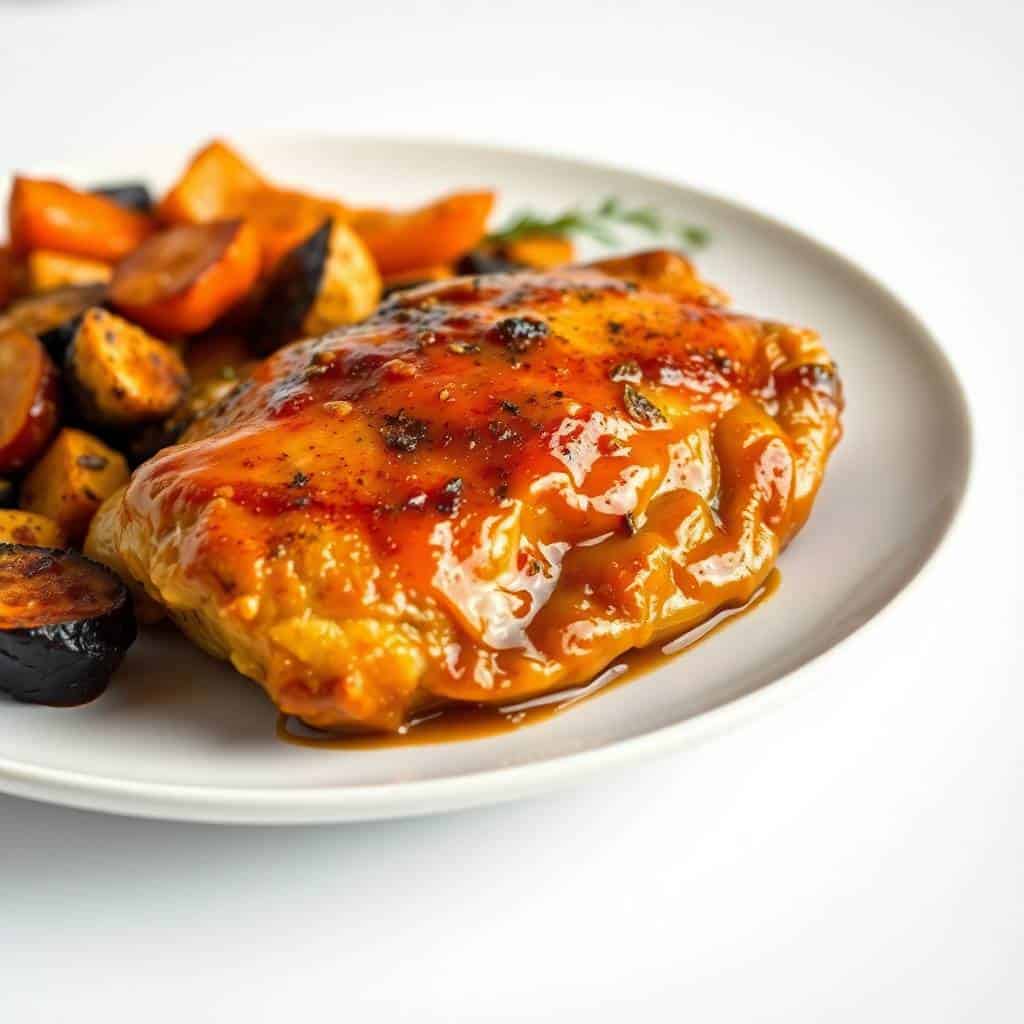
Why You'll Love This Recipe
- It's genuinely one pan: I mean that literally — the chicken and vegetables all go on a single sheet pan and roast together. I'm not washing a skillet, a saucepan, and a roasting dish afterward. A quick wipe of the sheet pan (lined with parchment paper) and I'm done. On weeknights, that matters more than almost anything else.
- The glaze is three pantry ingredients: Dijon mustard, honey, and olive oil — plus garlic powder, vinegar, and whatever seasoning you already have. I always have these things. I don't need to make a grocery run just to pull this together on a random Tuesday.
- The vegetables actually taste good: This sounds like a low bar, but roasted vegetables that are properly seasoned and slightly caramelized are a completely different thing from sad steamed vegetables on the side. Roasting at 400°F concentrates everything — the carrots get a little sweet, the broccoli edges get crispy, the potatoes get golden. My kids will eat vegetables this way when they won't touch them any other way.
- Leftovers reheat well: I make a full batch even when it's just the four of us, because the leftovers pack into lunch boxes beautifully the next day. The chicken stays moist if you reheat it covered, and the vegetables are honestly better the second day once the flavors have settled. I've started doubling the glaze specifically so I have extra to drizzle when reheating.
- You can swap the vegetables based on what you have: I've made this with whatever's in my fridge — zucchini, sweet potatoes, green beans, cauliflower. The glaze works with essentially any vegetable that roasts well. This isn't a recipe where you need to go out and buy a specific ingredient. Use what needs to be used up.
Ingredients
- For the Chicken:
- 4 boneless, skinless chicken breasts
- 3 tablespoons Dijon mustard
- 2 tablespoons honey
- 1 tablespoon olive oil
- 1 tablespoon apple cider vinegar (or fresh lemon juice)
- 1 teaspoon garlic powder
- Salt and pepper to taste
- For the Roasted Vegetables:
- 2 cups baby potatoes, halved
- 1 cup carrots, sliced into rounds
- 1 cup broccoli florets
- 1 red bell pepper, chopped
- 2 tablespoons olive oil
- ½ teaspoon dried thyme or Italian seasoning
- Salt and pepper to taste
- Fresh parsley, chopped (optional, for garnish)
Directions
- Preheat the oven: Set your oven to 400°F (200°C) and line a large baking sheet with parchment paper. Parchment is worth using here — the glaze has honey in it, which burns onto the pan if it drips directly onto bare metal, and cleanup becomes a serious project.
- Make the glaze: Whisk together the Dijon mustard, honey, olive oil, apple cider vinegar (or lemon juice), garlic powder, salt, and pepper in a small bowl until smooth. It should look glossy and emulsified. Taste it — it should be tangy and sweet with a little bite from the mustard.
- Prep the vegetables: In a large bowl, toss the baby potatoes, carrots, broccoli, and red bell pepper with 2 tablespoons of olive oil, the dried thyme or Italian seasoning, salt, and pepper. Make sure everything is evenly coated. Spread the vegetables out on one half (or around the edges) of the prepared baking sheet.
- Arrange and glaze the chicken: Place the chicken breasts on the other side of the baking sheet, leaving some space between them. Brush each piece generously with the honey mustard glaze on both sides. Don't be shy here — the glaze is what makes this recipe.
- Roast: Put the pan in the oven and roast for 30–35 minutes. Halfway through (around the 15-minute mark), pull the pan out, give the vegetables a stir, and brush any remaining glaze onto the chicken. This second coat is what gives you those caramelized edges. Put it back in and finish cooking.
- Check the chicken and rest: Use a meat thermometer to check that the chicken has reached 165°F (74°C) in the thickest part. Pull the pan out and let the chicken rest for 5 minutes before cutting into it. Resting keeps the juices inside the meat instead of running all over your cutting board.
- Serve: Plate the chicken with the roasted vegetables alongside. Add a drizzle of any extra glaze over the top and scatter some fresh parsley over everything if you have it.
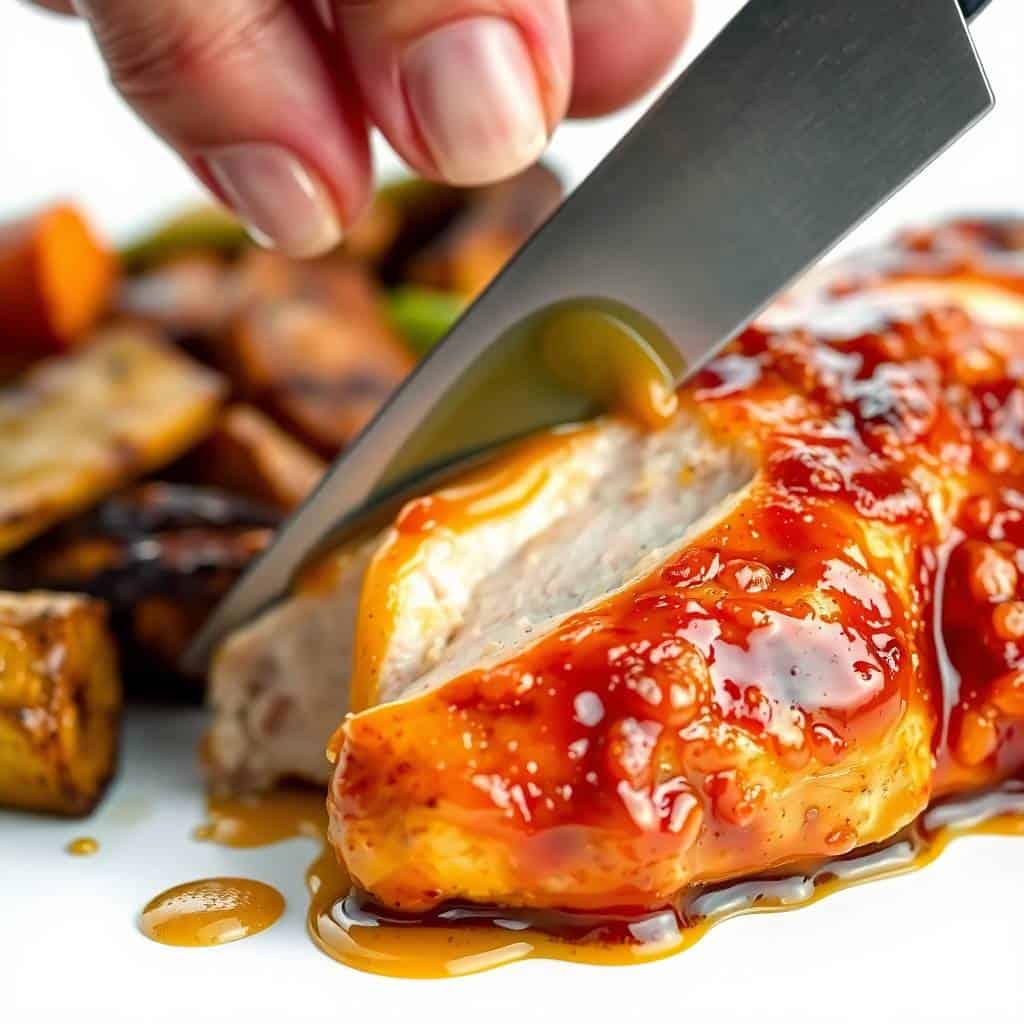
Tips for Success
- Don't skip the vinegar in the glaze: The first time I made this I used just mustard and honey, and while it wasn't bad, it tasted a little flat and one-dimensional. Adding a tablespoon of apple cider vinegar (or even fresh lemon juice) cuts through the sweetness and makes the glaze taste more complex. It's a small thing but it changed the recipe for me.
- Don't crowd the pan: I learned this after my first few batches came out a bit steamy and soft instead of roasted and slightly crispy. When the vegetables are piled on top of each other, they release steam and essentially braise instead of roast. If your pan is small, use two pans. It's worth the extra washing.
- Cut the potatoes smaller than you think you need to: Baby potatoes halved will still take the full 30–35 minutes at 400°F. If you're using larger potatoes, cut them into 1-inch chunks. If the potato pieces are too big, they'll still be firm in the center when everything else is done. Uniform, smaller pieces roast more evenly.
- Marinate the chicken if you have time: If I'm organized enough (which is maybe half the time), I mix up the glaze in the morning, coat the chicken, cover it, and leave it in the fridge until dinner. Even 30 minutes of marinating makes the flavor go deeper into the meat. But honestly, brushing it on right before roasting still produces great results — so don't let this stop you if it's already 6pm.
- Use parchment paper, not foil: I've used both. Parchment is better for this recipe because the honey in the glaze can stick and burn on foil in a way that creates a mess and sometimes a slightly bitter residue on the bottom of the chicken. Parchment releases everything cleanly and the pan comes clean with almost no effort.
Variations
- Use chicken thighs instead of breasts: Boneless skinless thighs are more forgiving than breasts — they stay juicy even if you go a few minutes over. I actually prefer them for this recipe when I have them. The cook time is similar but check at 30 minutes and go up to 40 if needed. Bone-in thighs will need closer to 45–50 minutes.
- Swap in sweet potatoes: Replace the baby potatoes with cubed sweet potatoes for a slightly sweeter, earthier base. Sweet potatoes and honey mustard glaze together are genuinely excellent — the natural sugar in the potato caramelizes beautifully at this temperature. Cut them into 1-inch cubes so they roast through in time.
- Make it spicy: Add ½ teaspoon of cayenne pepper or a good squeeze of sriracha into the glaze. The heat plays really well against the honey sweetness. My husband does this every single time he makes it himself. He also adds extra black pepper to his portion at the table — this is just how he is about spice.
- Use maple syrup instead of honey: If you want to make this vegan-friendly (using tofu instead of chicken, obviously), or if you just ran out of honey, maple syrup works as a 1:1 swap. The flavor is a little earthier and less floral than honey, but it caramelizes just as well. I've done this a few times when my honey jar was nearly empty and I didn't want to open a new one.
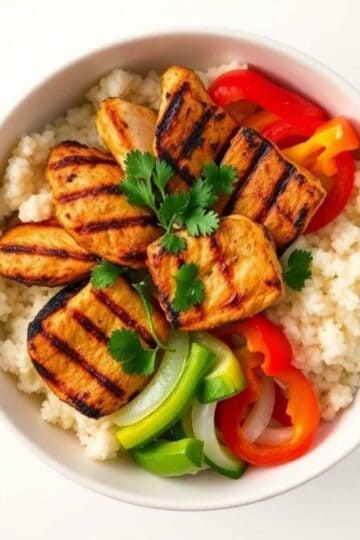
- Serve it over grains: In Pakistan, we'd typically serve a chicken dish like this with rice, and that works here too. But I've also served it over couscous, quinoa, and once over plain buttered noodles when that was what the kids wanted. Any grain absorbs the pan juices and extra glaze beautifully. Crusty bread for dipping works just as well if grains aren't your thing.
Serving and Storage
Serving
Serve the chicken whole or sliced, with the roasted vegetables piled alongside. If you made extra glaze, drizzle it over everything right before serving — it adds a glossy, fresh hit of flavor over the slightly caramelized glaze that's already on the chicken. A handful of fresh parsley scattered on top makes it look much more finished than it sounds. We usually eat this as a complete meal on its own, but it also pairs well with a simple green salad or some crusty bread on the side. If you want to make it stretch further for a bigger group, serve it over rice or couscous.
Storage
Store leftovers in an airtight container in the refrigerator for up to 3 days. Keep the chicken and vegetables together — the juices help keep the chicken moist overnight. To reheat, cover the container loosely and microwave in 60-second intervals, or warm in a 350°F oven for about 10 minutes covered with foil. Don't reheat at high heat uncovered or the chicken will dry out. I don't recommend freezing this one — the vegetables turn mushy after freezing and thawing, and the chicken texture isn't great either. It's best fresh or within those 3 days.
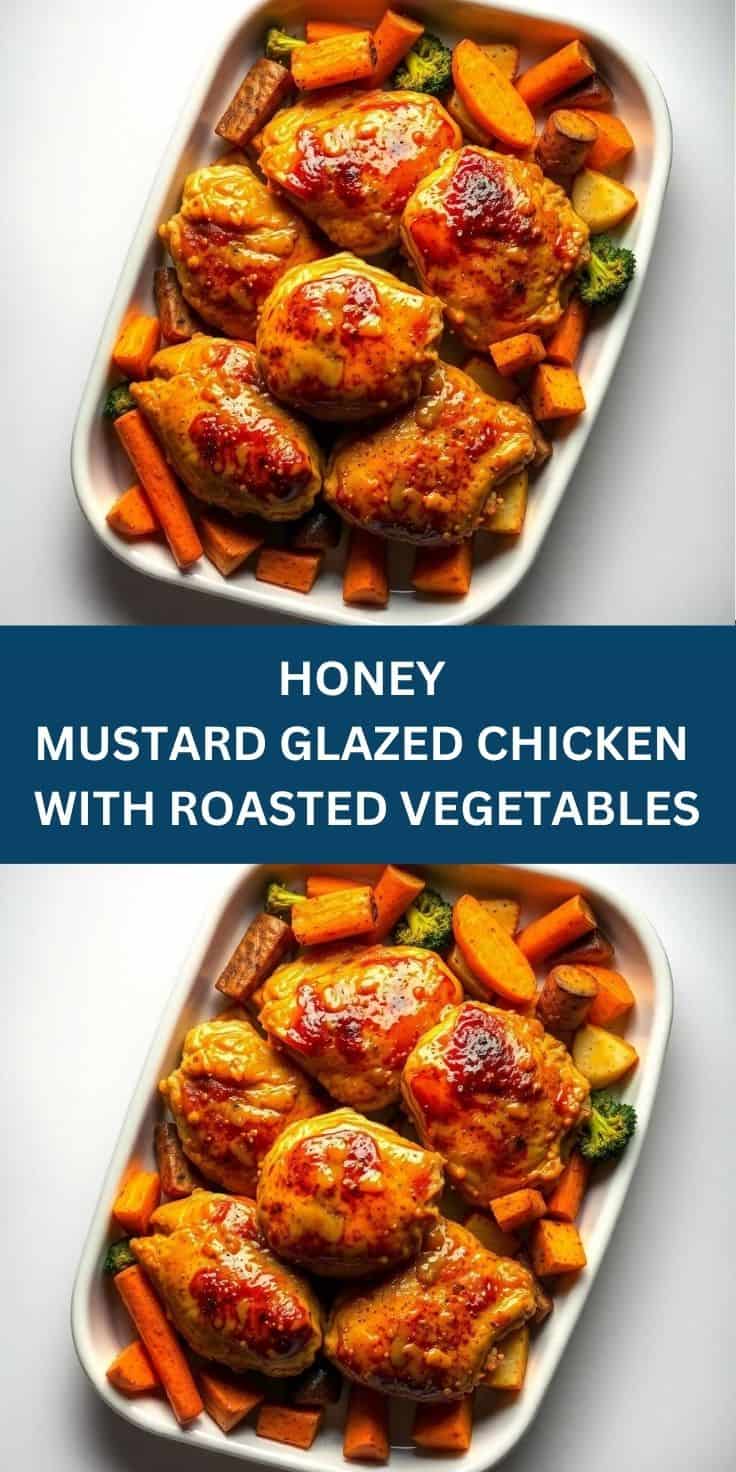
Frequently Asked Questions
Can I marinate the chicken ahead of time?
Yes, and I'd encourage it if you have the time. You can coat the chicken in the honey mustard glaze, cover it, and refrigerate it for up to 24 hours before roasting. The flavor gets noticeably deeper. Just make sure to let the chicken sit out for about 15 minutes before it goes into the oven so it's not roasting from stone cold — that affects how evenly it cooks.
How do I know when the chicken is fully cooked?
The only reliable way is a meat thermometer — you're looking for 165°F (74°C) in the thickest part of the breast. If you don't have a thermometer, cut into the thickest part: the juices should run clear and the meat should be opaque white all the way through with no pink. I use a basic instant-read thermometer I picked up for about $10 at Walmart and it's been worth every cent.
Can I use frozen vegetables instead of fresh?
You can, but there are a few things to keep in mind. Frozen vegetables release a lot of water when they roast, which can make them steam instead of caramelize. If you're using frozen, thaw them completely and pat them dry with paper towels before tossing in oil. Also spread them out more than you think you need to. The texture won't be quite as crispy as fresh, but it still tastes good.
My glaze burned on the bottom of the pan — what went wrong?
Almost certainly you used foil instead of parchment, or no liner at all. Honey caramelizes fast at high heat and it will burn and stick to bare metal or foil. Parchment paper is the fix. If your oven also runs hot, try reducing the temperature to 375°F and adding 5 minutes to the cooking time — slower roasting gives the glaze time to caramelize without burning.
Can I make this with bone-in chicken pieces?
Yes, bone-in thighs or drumsticks work really well here — they're actually more forgiving than boneless breasts. Increase the roasting time to 40–50 minutes for bone-in pieces and check the internal temperature the same way. The skin will crisp up nicely with the honey mustard glaze, which is an added bonus. I'd put bone-in pieces in the oven 10 minutes before adding the vegetables so everything finishes at the same time.
HONEY MUSTARD GLAZED CHICKEN WITH ROASTED VEGETABLES
Ingredients
For the Chicken:
- 4 boneless skinless chicken breasts
- 3 tablespoons Dijon mustard
- 2 tablespoons honey
- 1 tablespoon olive oil
- 1 tablespoon apple cider vinegar or lemon juice
- Salt and pepper to taste
- 1 teaspoon garlic powder
For the Roasted Vegetables:
- 2 cups baby potatoes halved
- 1 cup carrots sliced
- 1 cup broccoli florets
- 1 red bell pepper chopped
- 2 tablespoons olive oil
- Salt and pepper to taste
- ½ teaspoon dried thyme or Italian seasoning
Instructions
Preheat Oven:
- Preheat oven to 400°F (200°C). Line a large baking sheet with parchment paper.
Make Glaze:
- In a small bowl, whisk together mustard, honey, olive oil, vinegar (or lemon juice), garlic powder, salt, and pepper.
Season Chicken:
- Place chicken breasts on one side of the baking sheet. Brush generously with the honey mustard glaze.
Prep Vegetables:
- In a bowl, toss potatoes, carrots, broccoli, and bell pepper with olive oil, salt, pepper, and herbs. Spread vegetables on the other half of the sheet pan.
Bake:
- Roast for 30–35 minutes, or until chicken is cooked through (internal temp 165°F/74°C) and vegetables are tender and slightly browned. Stir veggies halfway through for even roasting.
Serve:
- Plate chicken with roasted vegetables and drizzle with extra glaze, if desired.
Notes
- Make Ahead: Marinate chicken up to 1 day in advance for deeper flavour.
- Customizing the Flavour: Swap in sweet potatoes, zucchini, or cauliflower. Add fresh herbs like rosemary or parsley.
- Serving Suggestions: Serve with quinoa, brown rice, or crusty bread for a complete meal.
- Allergy-Friendly Options: Use maple syrup instead of honey for a vegan glaze.
- Storage Tips: Store leftovers in an airtight container in the fridge for up to 3 days.
This is one of those recipes I keep coming back to because it asks so little of me and delivers so consistently. A five-minute glaze, thirty minutes in the oven, and dinner is done. On nights when I don't have much mental energy left, that's exactly what I need. The fact that it tastes genuinely good — not just convenient — is what made it a permanent part of our rotation.
What I appreciate most is how adaptable it is without needing to rethink the whole recipe. Different vegetables, different heat level, different grain on the side — the core of it stays the same. I've served it to



Comments
No Comments