
Korma is one of those dishes where the smell alone tells you dinner is going to be good. The moment the onions hit the ghee and the spices go in, my whole kitchen changes — something warmer, slower, more settled. It's a dish I grew up watching my mother make, though her version was heavier on the cream and lighter on the coconut. My version leans into the coconut milk, which makes it slightly sweeter, a little lighter, and honestly easier to cook on a weeknight.
What makes this korma work is the layering. You're not just dumping spices into liquid — you're building flavor at each stage: caramelized onions first, then garlic and ginger, then toasted spices, then the chicken gets coated before any liquid goes in. That sequence matters more than any single ingredient. I also marinate the chicken in yogurt and spices first, which I skipped the first time I made this — and the difference was noticeable. The marinated version is more tender and the spice flavor goes deeper into the meat.
My husband eats this over plain basmati rice with extra sauce on top. Zainab picks out the chicken and leaves the sauce, which drives me slightly crazy but what can you do. I've started making a double batch because it genuinely tastes better the next day — the sauce thickens up overnight and the spices mellow into something rounder. If you're cooking for company, make it the day before and reheat slowly. If you're looking for another easy one-pan chicken dinner, my Honey Mustard Glazed Chicken with Roasted Vegetables follows the same logic — simple, hands-off, reliable.
One thing to know before you start: this is a mild curry. I know "korma" sounds like it should be rich and intense, and it is — but the heat level is gentle. The chili powder is optional, and the coconut milk softens everything. If you want more heat, add a green chili or two with the garlic. But if you're cooking for kids or anyone who's new to Indian-style curries, this is the one I'd start with. It's approachable without being boring.
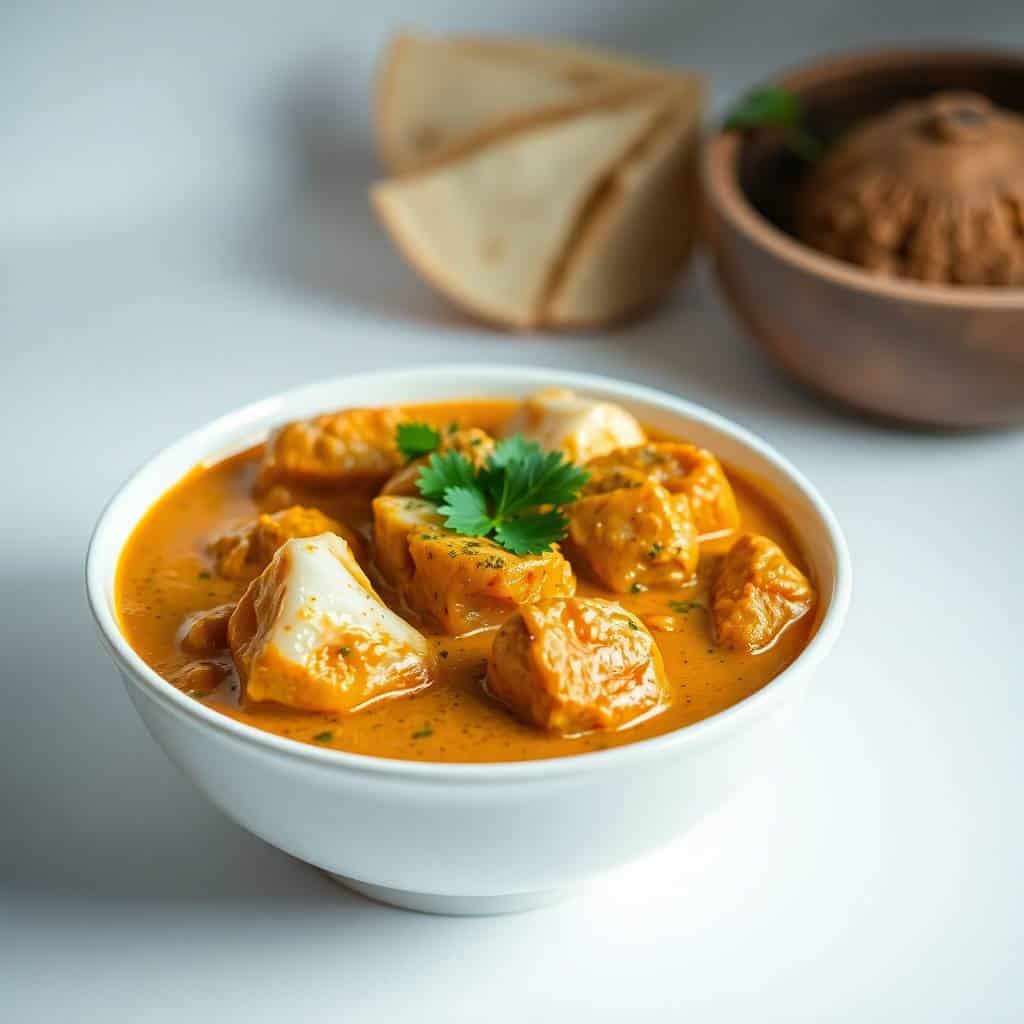
Why You'll Love This Recipe
- Genuinely mild and family-friendly: I've made a lot of curries that I thought were mild and then watched my kids push them away. This one they actually eat. The coconut milk does a lot of work here — it softens the spices and adds a slight sweetness that makes the whole dish less intimidating. Even if someone at your table is wary of Indian food, this is a good starting point.
- The marinade does the heavy lifting: Thirty minutes in yogurt with garam masala and turmeric makes the chicken noticeably more tender and flavorful than if you just tossed it in raw. I know it's an extra step and an extra bowl to wash, but it's worth it. If you have time to marinate overnight, do it — it's even better.
- One pan, straightforward cleanup: Everything happens in a single wide skillet or Dutch oven. I use my 12-inch cast iron pan that I've had since I started cooking seriously — nothing fancy required. The whole cook time including the simmer is about 40 minutes, which fits easily into a weeknight.
- Leftovers that actually improve: I make a double batch specifically because day-two korma is better than day-one korma. The sauce thickens, the spices settle, and the chicken absorbs more flavor as it sits. I reheat it slowly on the stovetop with a splash of water and it comes back perfectly.
- Flexible without falling apart: You can make this dairy-free by swapping the yogurt for coconut yogurt. You can skip the ground almonds if there's a nut allergy. You can add vegetables to stretch it further. The base recipe is solid enough that it handles substitutions without losing its character.
Ingredients
- For the Chicken Marinade:
- 1 lb (450g) boneless chicken breast or thighs, cut into chunks
- ½ cup plain yogurt
- 1 teaspoon garam masala
- ½ teaspoon ground turmeric
- ½ teaspoon salt
- For the Korma Sauce:
- 2 tablespoons oil or ghee
- 1 large onion, finely chopped
- 3 garlic cloves, minced
- 1 tablespoon fresh ginger, minced (or ½ teaspoon ground ginger if that's what you have)
- 2 teaspoons ground coriander
- 1 teaspoon ground cumin
- 1 teaspoon paprika
- ½ teaspoon ground cinnamon
- ¼ teaspoon chili powder (optional — leave it out for a truly mild version)
- ½ cup ground almonds or cashews (adds creaminess — skip for nut-free)
- 1 cup full-fat coconut milk (I use the can, not the carton — it's thicker)
- ½ cup water or chicken broth
- Salt to taste
- Fresh cilantro, for garnish
Directions
- Marinate the chicken: In a bowl, combine the chicken pieces with yogurt, garam masala, turmeric, and salt. Mix until the chicken is well coated. Cover and refrigerate for at least 30 minutes — overnight if you have the time. The yogurt tenderizes the meat and the spices start flavoring it from the inside out.
- Cook the onions: Heat oil or ghee in a large heavy pan over medium heat. Add the chopped onion and cook, stirring occasionally, for 8–10 minutes until deeply golden brown. Don't rush this step — those caramelized onions are building the flavor foundation for the whole sauce. If they're only lightly golden, give them a few more minutes.
- Add garlic and ginger: Stir in the minced garlic and ginger and cook for 1–2 minutes. You want them fragrant but not brown — keep the heat at medium and keep stirring. If the pan looks dry, add a small splash of water.
- Toast the spices: Add the ground coriander, cumin, paprika, cinnamon, and chili powder if using. Stir everything together and cook for about 1 minute. The spices will smell incredible and the mixture will look quite dry and paste-like — that's exactly right. This brief toasting step makes the whole curry taste more rounded and less raw.
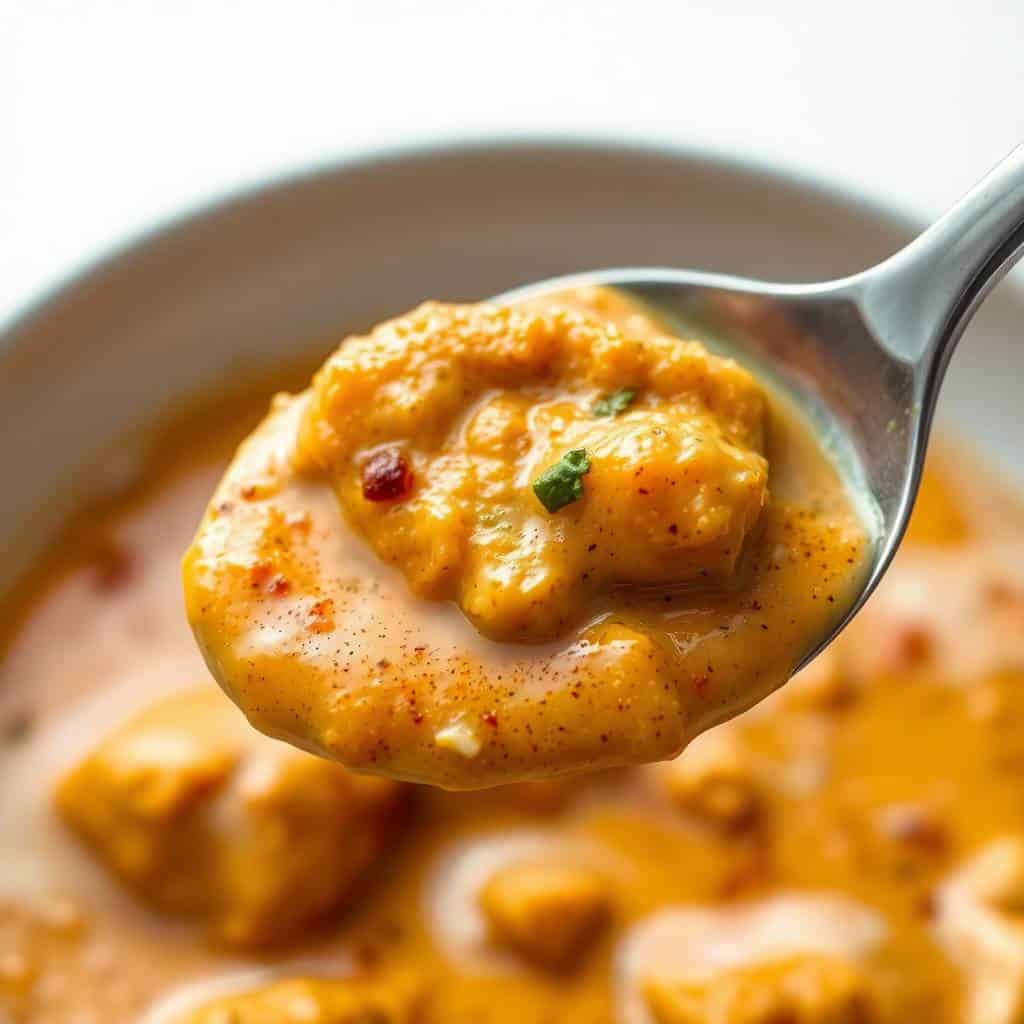
- Build the sauce: Add the ground almonds and stir to combine with the spice paste. Then pour in the coconut milk and water or broth. Stir well, scraping up anything stuck to the bottom of the pan. Bring the sauce to a gentle simmer.
- Add the chicken and simmer: Add the marinated chicken to the pan — pour in all the marinade too, don't waste it. Stir to coat the chicken in the sauce. Reduce the heat to low, cover the pan, and simmer for 20–25 minutes, stirring once or twice, until the chicken is cooked through and the sauce has thickened noticeably.
- Taste and finish: Take off the lid, give the curry a taste, and adjust salt. If the sauce looks too thick, add a splash of water and stir. Turn off the heat and scatter fresh cilantro over the top. Serve hot with basmati rice or warm naan.
Tips for Success
- Don't skip the marinade time: The first time I made korma, I was in a hurry and skipped the marinade entirely — just tossed raw chicken straight into the sauce. It was fine, but the chicken tasted like it was sitting in the curry rather than part of it. Even 30 minutes in the yogurt-spice mixture changes the texture and flavor of the chicken meaningfully. Plan ahead if you can.
- Take your time with the onions: Eight to ten minutes sounds like a long time to stand at the stove stirring onions. But under-cooked onions give the sauce a slightly raw, sharp taste that doesn't soften even after the long simmer. I usually put on a podcast and just stay at the pan. Golden brown, slightly jammy onions are what you're after.
- Use full-fat canned coconut milk: The stuff in cartons is watered down and the sauce ends up thin and a little watery. Full-fat canned coconut milk — I usually grab the Thai Kitchen or store-brand can from Walmart or Aldi — gives you a thick, creamy sauce that coats the chicken properly. Shake the can before opening because the fat and liquid separate.
- Simmer low and slow: Once the chicken goes in, resist the urge to turn the heat up to speed things along. High heat makes the coconut milk separate and the yogurt in the marinade can curdle into grainy bits. Low heat, covered pan, 20–25 minutes — the chicken comes out tender and the sauce stays smooth.
- Ground almonds make a real difference: This isn't decorative — blending ground almonds into the sauce gives it body and a subtle nuttiness that you don't get from coconut milk alone. It's what makes korma taste richer than a regular coconut curry. If you can't find pre-ground almonds, just blitz whole blanched almonds in a blender or food processor for 30 seconds.
Variations
- Make it spicier: The base recipe is intentionally mild. If you want more heat, add 1–2 chopped green chilies with the garlic and ginger, or increase the chili powder to ½ teaspoon. My husband adds a small spoonful of his own chili paste straight into his bowl, which is his version of personalizing every meal I cook for him.
- Vegetarian version: Swap the chicken for paneer cut into cubes, or use a mix of chickpeas and cauliflower. If you go the paneer route, add it in the last 8–10 minutes of simmering rather than the full 25 — it doesn't need as long and gets rubbery if you overcook it. The sauce is flavorful enough that it works beautifully without meat.
- Completely dairy-free: Use coconut yogurt instead of plain yogurt in the marinade. The rest of the recipe is already dairy-free as written. The flavor is slightly different — a little more coconut-forward — but it still works. I've made it this way for a friend who's lactose intolerant and she asked for the recipe afterward.
- Slow cooker version: Marinate the chicken as directed, then sauté the onions, garlic, ginger, and spices on the stovetop (don't skip this part — it matters). Transfer everything to a slow cooker, add the coconut milk, broth, and ground almonds, then cook on low for 4–6 hours. The chicken will be incredibly tender. This is what I do when I want dinner ready when I get back from school pickup.
- Add a touch of sweetness: A small pinch of saffron dissolved in a tablespoon of warm water, stirred in at the end, gives the korma a slightly floral, luxurious quality. A few golden raisins added with the coconut milk is another option — traditional in some regional versions and surprisingly good against the warm spices.
Serving and Storage
Serving
Serve the korma hot, straight from the pan, with steamed basmati rice or warm naan to soak up the sauce. In my house we usually put both on the table — my husband always takes rice, and the kids argue over the naan. A small bowl of plain yogurt or cucumber raita on the side cuts through the richness nicely. If you want to go the full spread, a simple green salad or some sliced cucumbers work well alongside it. This is also the kind of dish that's good enough to serve when you have people over — it looks impressive and the sauce smells incredible, but it didn't take you all day to make.
Storage
Store cooled korma in an airtight container in the fridge for up to 3 days. Reheat on the stovetop over low heat with a splash of water or broth to loosen the sauce — it thickens up significantly as it sits. The microwave works in a pinch but stir it halfway through. For freezing, portion it into freezer-safe containers and freeze for up to 2 months. Thaw overnight in the fridge before reheating. I'd say the texture holds about 80% as well after freezing — still very good, just slightly less glossy in the sauce.

Frequently Asked Questions
Can I use chicken breast instead of thighs?
Yes, you can. Thighs stay juicier over the long simmer and are more forgiving if you accidentally overcook them, but breast works fine too. If you use breast, check it at the 18-minute mark — it can dry out if it goes too long. The marinade helps protect it either way.
Can I make this korma ahead of time?
Yes, and I'd actually encourage it. The flavors deepen overnight as the spices settle into the sauce. Cook it fully, let it cool, refrigerate it, and reheat slowly the next day. It's genuinely better on day two. I've made it two days ahead for dinner parties and it held up perfectly.
What can I substitute for coconut milk?
Heavy cream is the closest substitute — same richness, slightly different flavor (less sweet, more dairy-forward). You could also use a dairy-free cream alternative. I wouldn't use regular milk or the coconut carton beverage; both are too thin and the sauce ends up watery. The coconut flavor is part of what makes this recipe distinctive, so if you swap it out, know you're making a different dish.
Do I need a blender for this recipe?
No — this is entirely stovetop. The sauce comes together smooth from the coconut milk and ground almonds without any blending. If you want an even silkier texture, you can use an immersion blender to blend part of the sauce before adding the chicken, but it's not necessary. I've never done it and the korma comes out plenty smooth.
How spicy is this curry?
Mild. This is one of the gentler curries in my rotation — the chili powder is optional and even with it, the coconut milk softens the heat considerably. If you're sensitive to spice, leave out the chili powder entirely and it's almost completely heat-free. If you want more kick, add a chopped green chili or extra chili powder to taste.

INDIAN COCONUT CHICKEN KORMA RECIPE
Ingredients
For the Chicken Marinade:
- 1 lb 450g boneless chicken breast or thighs, cut into chunks
- ½ cup plain yogurt
- 1 teaspoon garam masala
- ½ teaspoon turmeric
- ½ teaspoon salt
For the Korma Sauce:
- 2 tablespoons oil or ghee
- 1 large onion finely chopped
- 3 garlic cloves minced
- 1 tablespoon fresh ginger minced
- 2 teaspoons ground coriander
- 1 teaspoon ground cumin
- 1 teaspoon paprika
- ½ teaspoon ground cinnamon
- ¼ teaspoon chili powder optional
- ½ cup ground almonds or cashews
- 1 cup coconut milk full fat
- ½ cup water or chicken broth
- Salt to taste
- Fresh coriander cilantro, for garnish
Instructions
Marinate the Chicken:
- In a bowl, mix chicken with yogurt, garam masala, turmeric, and salt. Cover and marinate for at least 30 minutes or overnight in the fridge.
Cook the Aromatics:
- Heat oil or ghee in a large pan over medium heat. Sauté onions until golden brown, about 8–10 minutes. Add garlic and ginger, cook for another 1–2 minutes.
Add Spices:
- Stir in coriander, cumin, paprika, cinnamon, and chili powder. Cook for 1 minute until fragrant.
Make the Sauce:
- Add ground almonds and stir. Pour in coconut milk and water (or broth). Mix well and bring to a simmer.
Cook the Chicken:
- Add marinated chicken to the pan. Simmer on low heat for 20–25 minutes until chicken is tender and sauce is thickened.
Serve:
- Garnish with fresh coriander. Serve hot with basmati rice or naan.
Notes
You can cook the korma up to 2 days ahead. Flavours deepen over time. Customizing the Flavor:
Add saffron or a few raisins for sweetness. Adjust spice for milder or hotter taste. Serving Suggestions:
Great with basmati rice, jeera rice, or warm naan bread. Allergy-Friendly Options:
Use dairy-free yogurt for a fully dairy-free version. Storage Tips:
Store in an airtight container in the fridge for 3 days or freeze for up to 2 months.
This korma has quietly become one of my most-made curry recipes. Not because it's the most complex or the most authentic — I'll be honest, my mother's version is more traditional and uses fewer shortcuts — but because it's the one I can pull off on a Tuesday with no advance planning and still feel good about what's on the table. The coconut milk makes it accessible to people who don't cook Indian food regularly, and the marinade step ensures the chicken is actually flavorful rather than just coated in sauce.